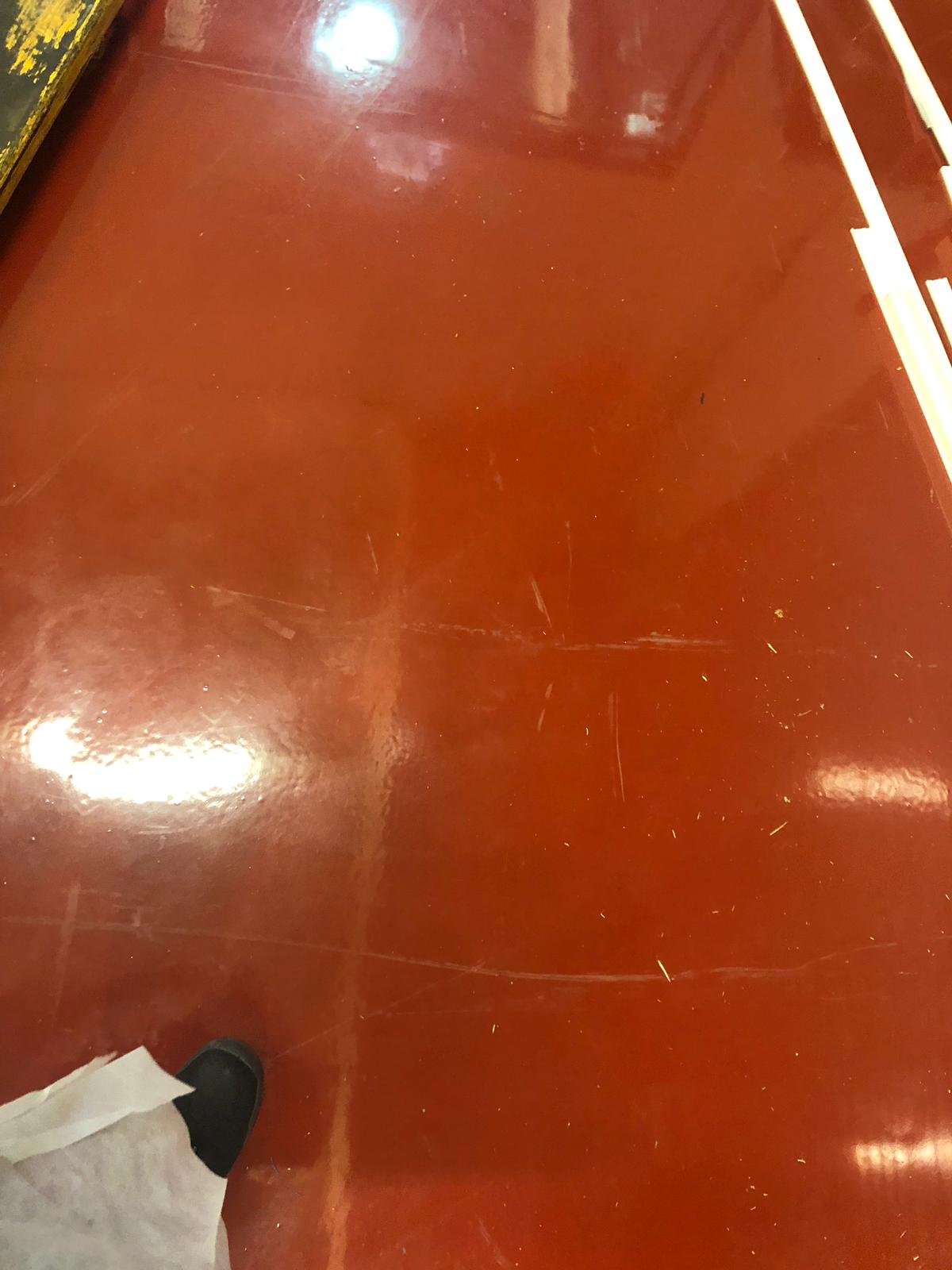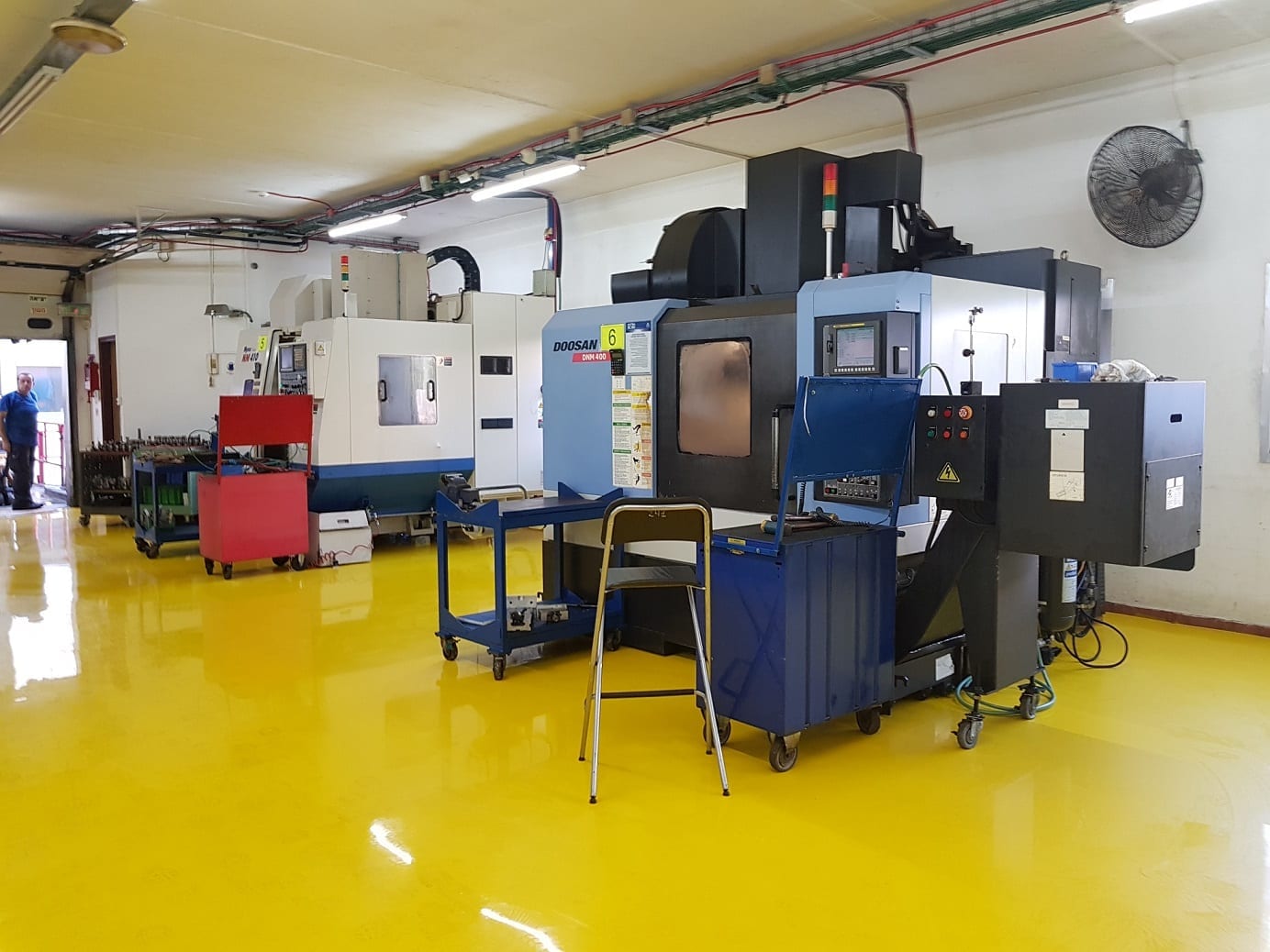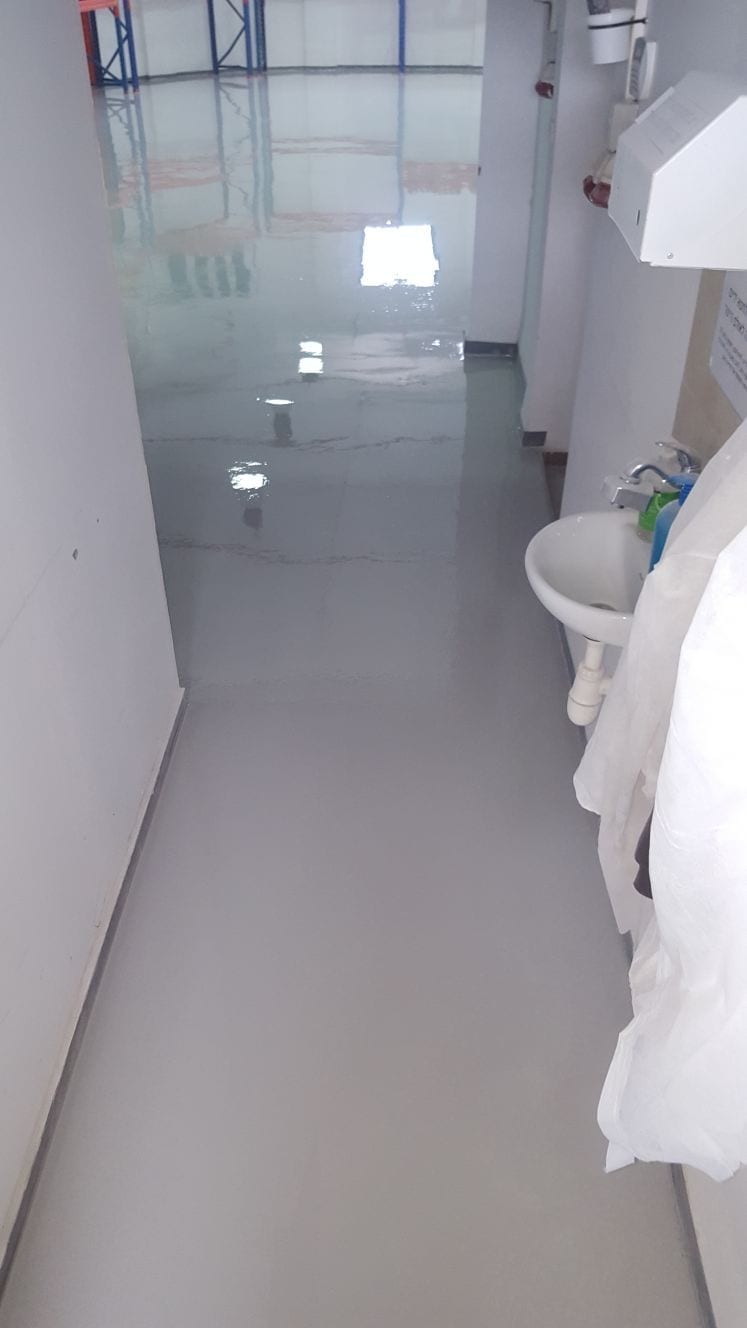

The epoxy floor consists of two components – A base material and a catalyst (hardening) material. The components arrive in a liquid or viscous state, after mixing them a chemical reaction is formed, which causes the material to harden within 12 to 48 hours (depending on: the raw material used, the temperature and the relative humidity). There are many types of chemical compositions for the base materials and the hardening materials , which create different systems, which are suitable for diverse uses: anti-static coatings, coatings for cold rooms, coatings resistant to heavy transportation and particularly severe abrasion, intended for industrial areas, decorative coatings and more.
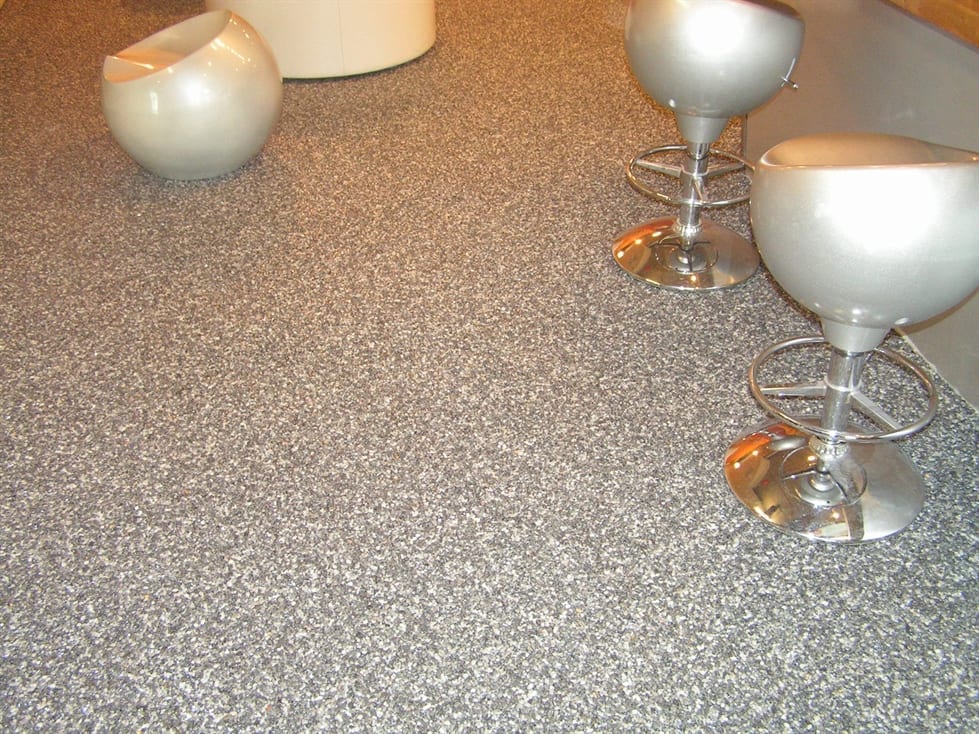
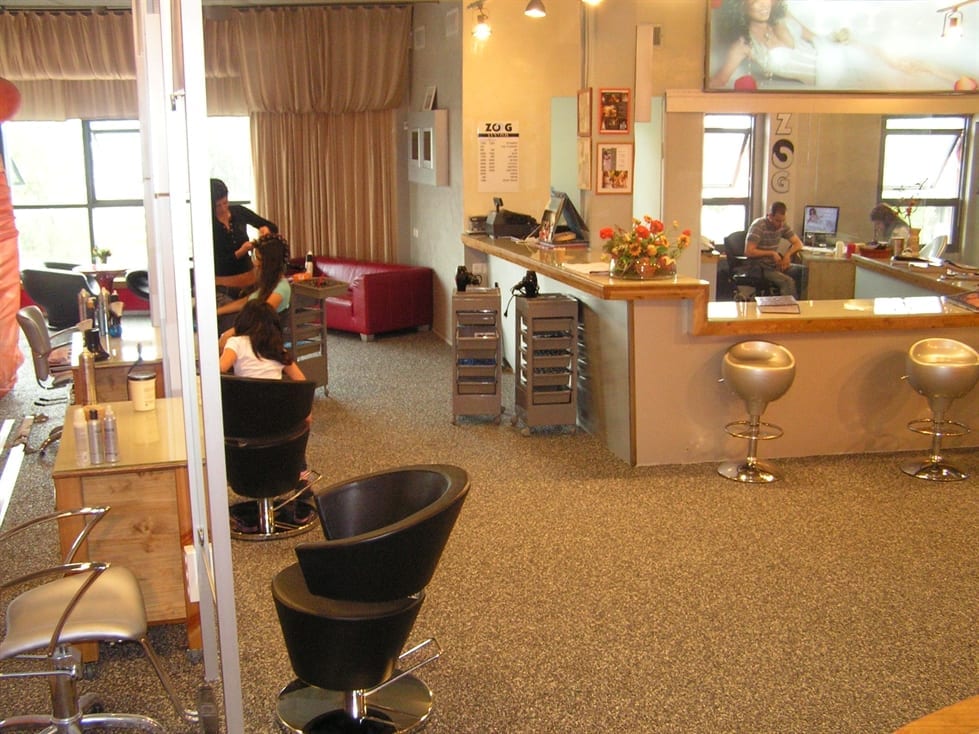
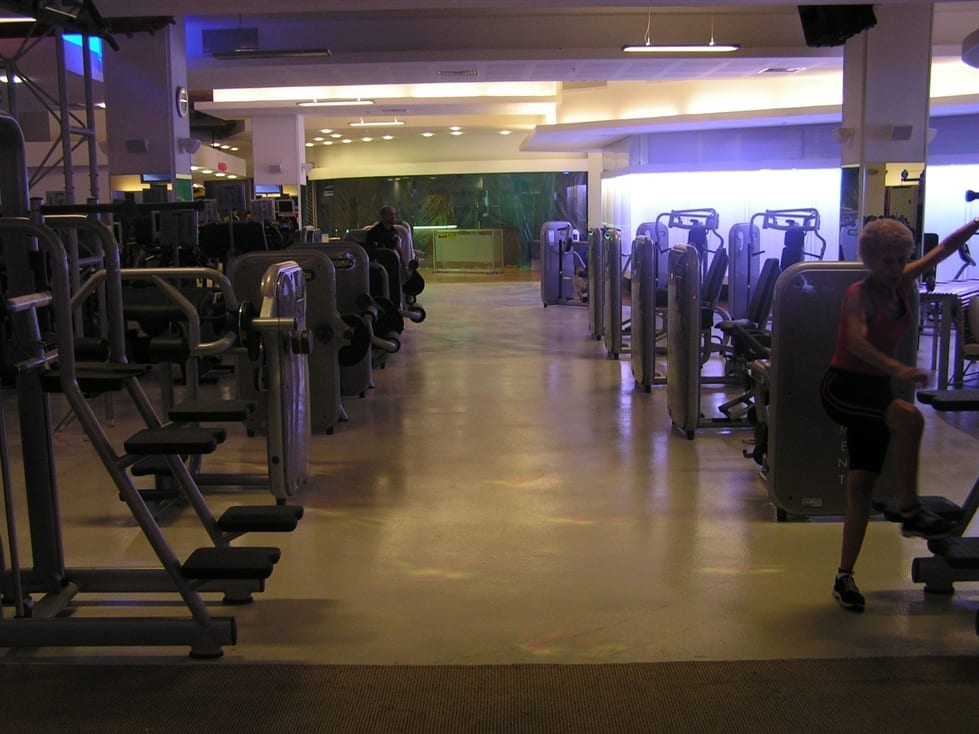
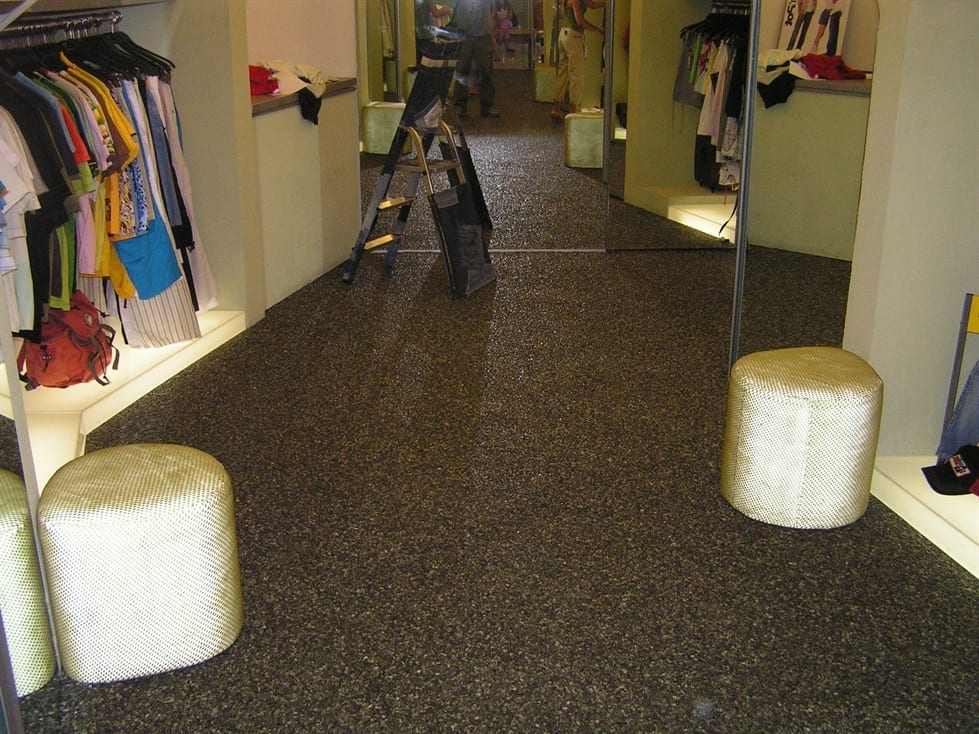
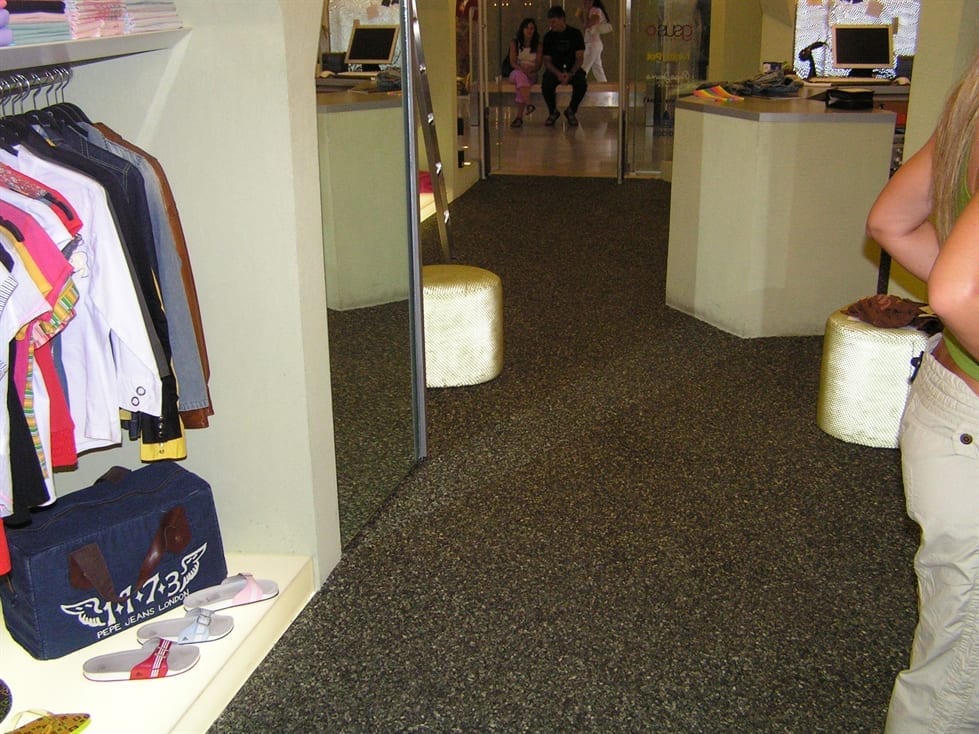
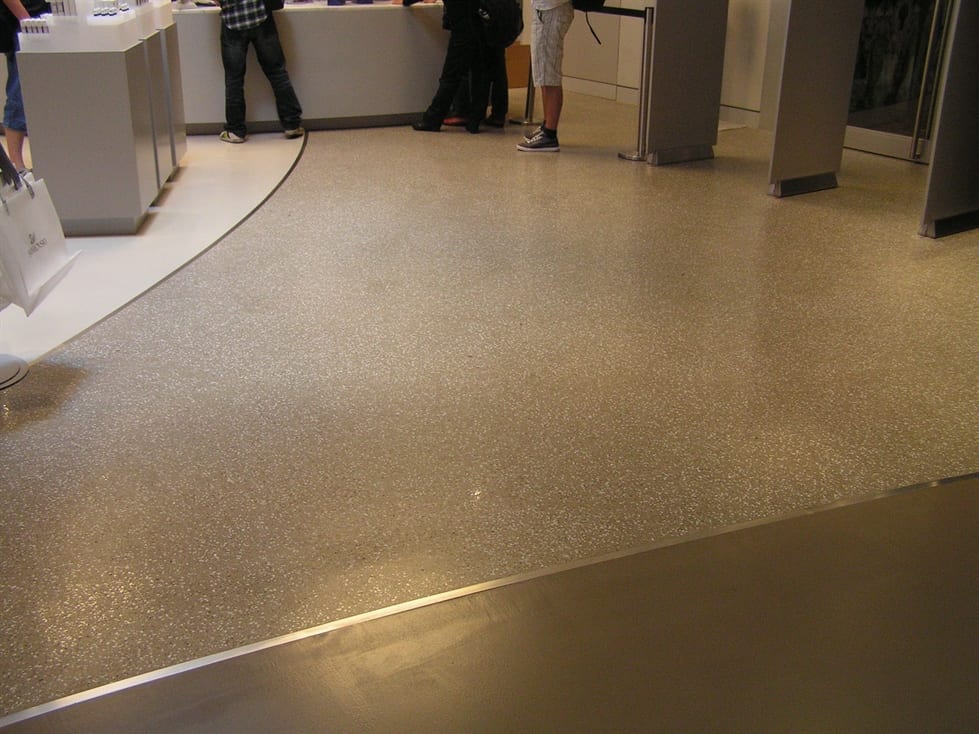
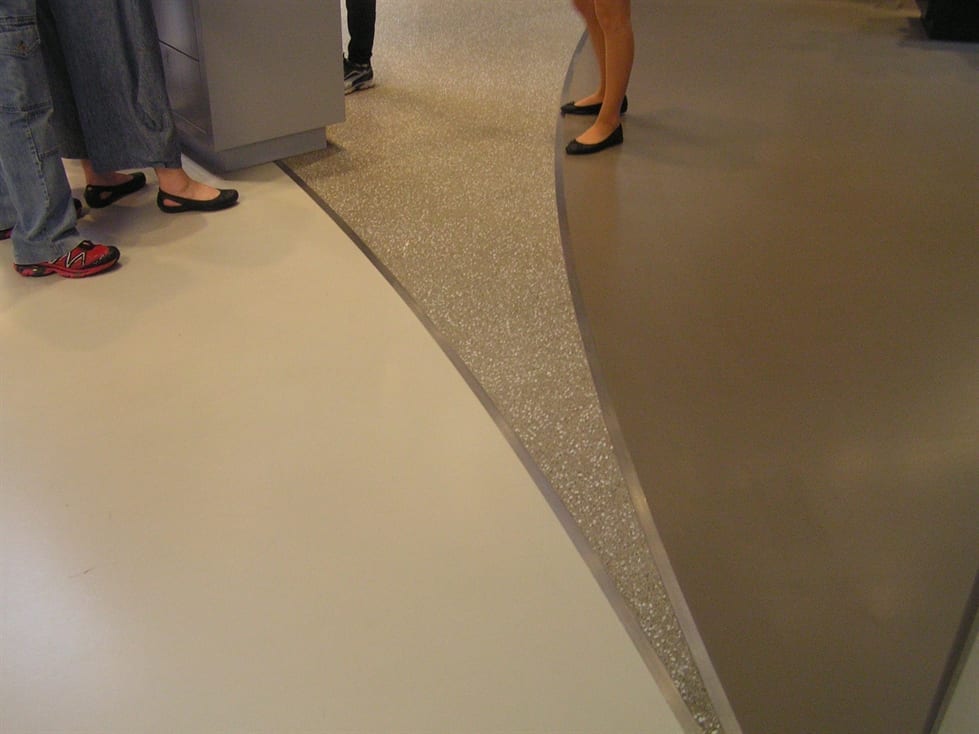
Implementation methods
There are three main Implementation methods for epoxy or polyurethane systems:
Epoxy painting: with this method, an epoxy primer is first applied on top of the existing infrastructure, so that it binds between it and the upper coating layers. When the primer layer dries, paint the surface with two layers of epoxy paint. The final thickness of the coating is about 400 microns (0.4 mm).
Self-Leveling Epoxy: This method is suitable for decorative purposes and is the most popular of the epoxy methods. The result is a floor with a uniform surface with a glossy smooth finish, and in the desired shade. The thickness of the floor can range from 1000 to 3000 microns (1-3 mm).
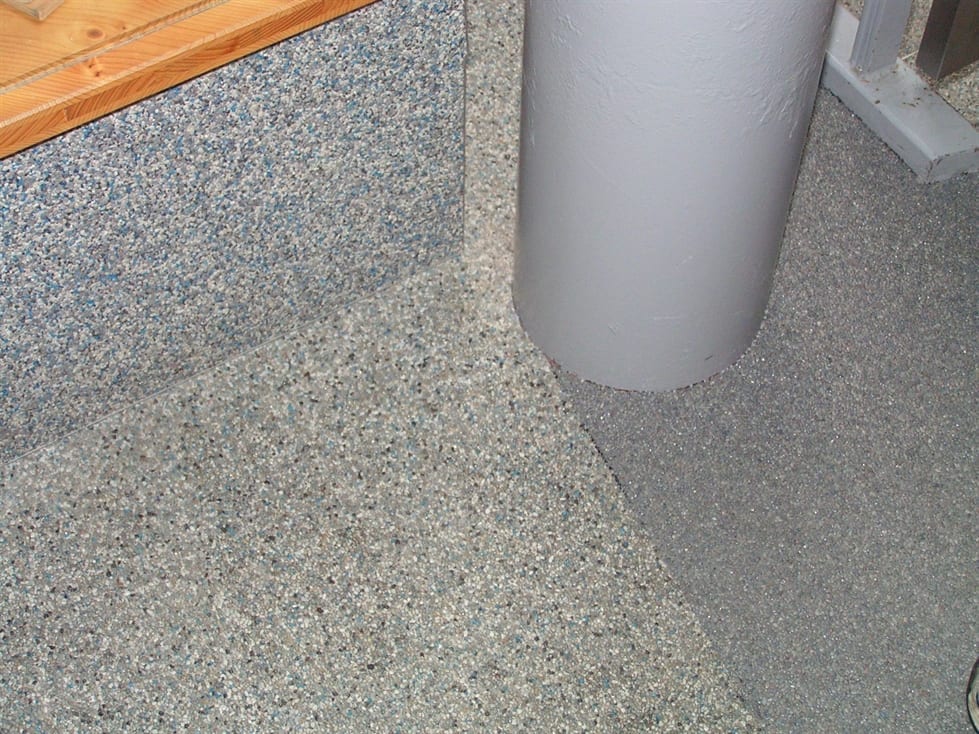
Multi-Layer Epoxy: This method is usually used on industrial floors. In the upper layers of the casting, quartz silicate grains, or glass, are sprinkled, in order to create a rough surface, which prevents slipping, the floor has a high abrasion resistance. The thickness of the final floor ranges from 2000 to 6000 microns (2-6 mm). The Implementation in this system is done with the help of a dedicated “helicopter” for synthetic coatings. The helicopter that smooths the floor, straightens the surface of the coating and tightens the texture.
Preparing the infrastructure:
The infrastructure must be stable, level and clean of oil stains and loose parts. In addition, make sure that the moisture of the concrete does not exceed 4 percent. It is essential to polish / mill the substructure well before starting the work, in order to allow connection – perfect adhesion to the epoxy casting. The surface must be absorbent. Porcelain, ceramic, terrazzo flooring surfaces with a smooth finish or glaze are non-absorbent, so it is difficult to pour an epoxy coating on them.
This difficulty can be overcome in several ways:
Dismantling the existing flooring (without removing the sand) and installing a new flooring, type B or C, on which the epoxy casting will be applied. This is a solution that slightly extends the execution time, but the cost of labor and materials is small compared to the other methods.
- Sanding and deglazing. Polishing can only be performed by a skilled professional with appropriate equipment
- Dismantling the paving and sand, until the structural concrete layer is exposed. This option is problematic, because a leveling concrete layer with an average thickness of about 10 cm must be poured on the exposed concrete layer. In addition, constructive calculations must be performed in order to check the correctness of the load that the new casting creates, operations and steps that increase the cost of the work.